
Now Open — Accepting New Patients!
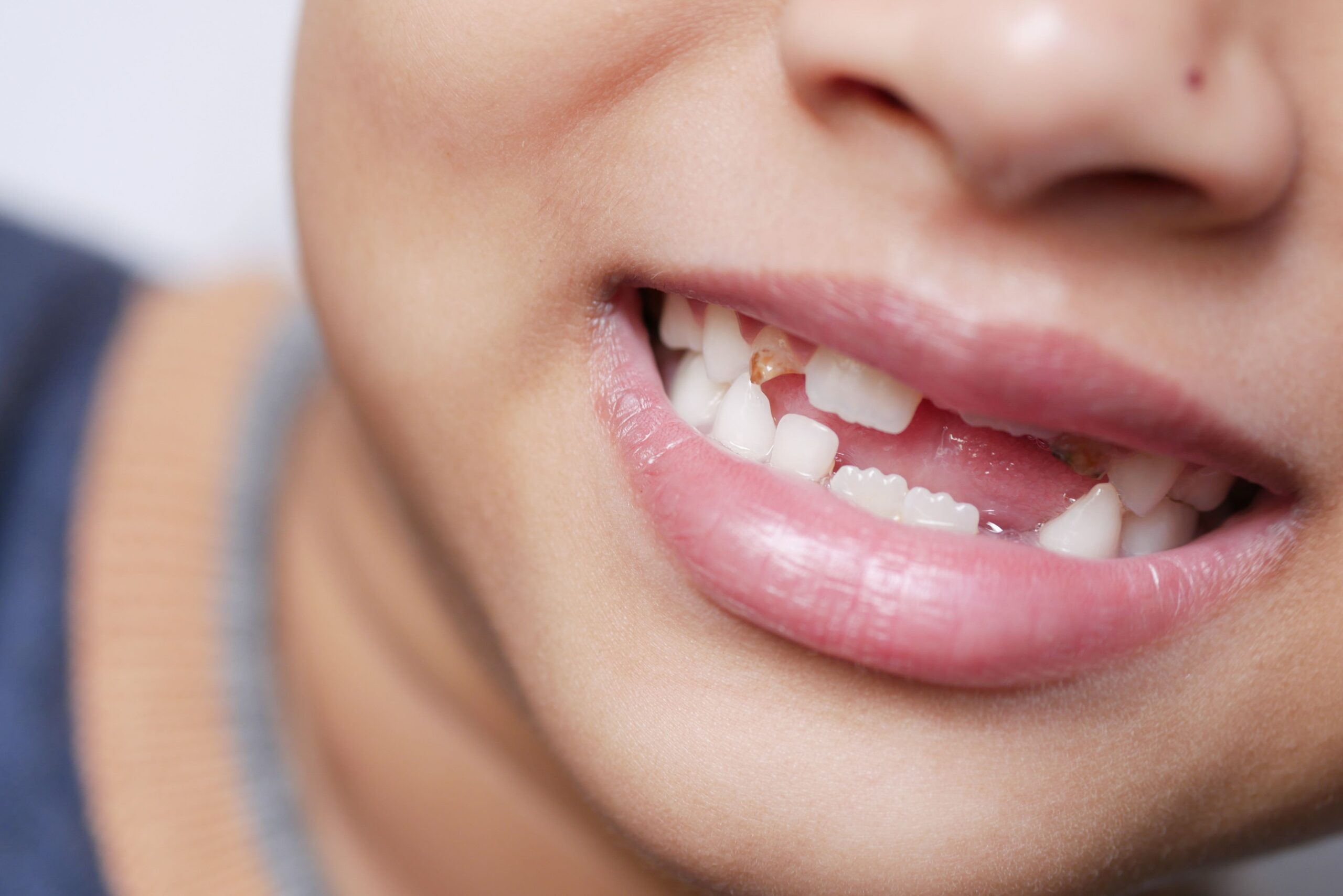
Losing a tooth can change how you chew, smile, and even how neighboring teeth drift over time. If you live in Fulshear, Jordan Ranch, or nearby Katy, you may want a clear explanation of what dental implants involve before you commit.
An implant is one way to replace a missing tooth. It is not the only option, and it is not right for every mouth on day one. Here is a straightforward look at how implants work and what to ask at your next visit.
A dental implant is a small titanium post placed in the jawbone where a tooth root used to be. After the bone bonds to the post, a custom crown is attached on top so the replacement looks and functions like a natural tooth.
Unlike a removable partial, an implant does not clip onto neighboring teeth. Unlike a traditional bridge, it usually does not require reshaping healthy adjacent teeth. That independence is why many people consider implants when they want a long-term, fixed replacement.
Our dental implants page outlines how planning typically works at MK Dental Studio. Related options such as bridges and traditional dentures may fit better depending on how many teeth are missing and the health of your jawbone.
Healthy gums and enough bone to support the post matter most. A thorough exam and imaging show whether the site is ready, or whether bone grafting or gum care should come first. Smoking, uncontrolled gum disease, and certain medical conditions can affect healing, so your dentist will review your health history carefully.
If tooth pain, infection, or a cracked tooth led to the extraction, those issues need to be settled before an implant is placed. Timing varies. Some sites can be planned soon after a tooth is removed; others heal for months first.
Implant care is usually done in stages. Placement is performed with local anesthesia so the area is numb. Mild soreness afterward is common and often managed with over-the-counter comfort measures your dentist recommends. Healing time while the bone integrates with the post can take several months, which is intentional, not a delay for its own sake.
Once the site is stable, an abutment and crown complete the tooth. You will get care instructions for cleaning around the implant, because implants can still develop gum inflammation if plaque builds up.
A bridge can replace one or more teeth by anchoring to neighbors and is sometimes faster when implants are not a fit. Dentures replace several or all teeth and can be removable or implant-supported for more stability. None of these is universally “best.” The right choice depends on bone, bite, budget timeline, and how many teeth you need to replace.
Longevity depends on home care, checkups, bite forces, and overall health. Your dentist can give a realistic range for your situation, not a guarantee.
At MK Dental Studio on Vintage Lane in Jordan Ranch, Dr. Madiha Khanani, DDS, FAGD, starts with an exam so you understand whether an implant, a bridge, a denture, or simply stabilizing the space first makes sense. We also welcome patients from Katy. New to the practice? Our new patient information page covers what to bring.
This article is for general education. Only an in-person exam and imaging can tell you what is appropriate for your mouth.
If a missing tooth has been on your mind, the next step is a conversation and an exam. Contact MK Dental Studio in Fulshear with your questions, or use the button below to schedule online. We will look at your bone and bite, explain implant and non-implant paths, and help you decide what fits.

CALL Now: 281-219-8000
MK Dental Studio:
401 Vintage Ln.
Fulshear, TX 77423